
The roar of the crowd, the thrill of the game – sports have always been driven by passion and instinct. But in today’s high-stakes world, a new player has entered the arena: data. We’re not just talking about simple stats anymore. Sports analytics has exploded, offering a deeper, more nuanced understanding of performance, strategy, and even the odds themselves.
Imagine turning gut feelings into calculated probabilities, transforming hunches into winning strategies. That’s the power of data-driven decision-making in sports and betting. It’s about leveraging information to gain a competitive edge, boosting accuracy, and ultimately, improving your chances of success.
As someone who has spent years immersed in the world of sports analytics, I’ve witnessed firsthand how this transformation is reshaping the landscape. From player performance analysis to predictive modeling, the applications are endless. In this guide, we’ll explore the fundamentals of sports analytics and how you can use them to inform your betting strategies.
The Data-Driven Landscape of Sports
Professional sports are no longer solely about raw talent and instinct; they’re increasingly about leveraging data to gain a competitive edge. Teams and organizations are harnessing the power of sports analytics, data science, and even machine learning to dissect every aspect of the game. This analytical scrutiny enables them to improve player performance, optimize game strategies, and make smarter, more informed decisions that ultimately translate into wins. From the draft room to the training ground, data is reshaping the way the game is played and managed.
Consider, for example, how basketball teams are using data to analyze shot charts and identify optimal shooting locations for individual players. This insights allows coaches to tailor training regimens and game plans, maximizing scoring efficiency. Similarly, in football, analytics are used to assess the effectiveness of different offensive formations against various defensive schemes, thus enabling teams to make real-time adjustments during the game. The use of wearable technology provides real time data.
The Evolution of Sports Analytics
The history of sports analytics is a journey from gut feeling to statistical certainty. It started with pioneers using simple statistics. The real turning point came with the advent of sabermetrics in baseball, revolutionizing player evaluation. As technology advanced, so did our ability to collect and analyze data. This data revolution has transformed sports analysis from a niche field into an integral component of modern sports.
Real-World Applications of Analytics
Data analytics offers practical solutions. One area where analytics shines is in player evaluation. Teams use data to assess a player’s strengths and weaknesses, project their future performance, and determine their market value. This leads to better recruitment, trading, and contract negotiation.
Injury prevention is another significant application. By monitoring players’ biomechanics and physiological data, teams can identify risk factors and implement strategies to minimize the likelihood of injuries. Ultimately, the return on investment in sports analytics is evidenced both on and off the field, as teams that embrace data-driven decision-making consistently outperform those that rely solely on tradition.

Understanding the Game: Key Metrics and Statistics
To truly grasp the dynamics of any sport and make informed decisions, whether for personal enjoyment or strategic betting, understanding key performance indicators is essential. These sports metrics offer a data-driven lens through which to analyze team and player performance, moving beyond simple observation.
Consider shooting percentage in basketball. It’s not just about how many shots a player makes, but the ratio of successful shots to total attempts, reflecting scoring efficiency. Possession time, crucial in sports like soccer and basketball, reveals which team controls the flow of the game and dictates offensive opportunities. Expected Goals (xG) in soccer is another powerful metric, quantifying the likelihood of a shot resulting in a goal based on factors like shot angle, distance, and assist type. A higher xG suggests better scoring opportunities.
These statistics, and many others, provide valuable insights. I once leveraged a combination of xG and possession data to identify an underdog soccer team with a surprisingly potent offense masked by a lower win record. By recognizing their ability to generate high-quality scoring chances despite limited possession, I successfully adjusted my betting strategy, resulting in a significant return.
Offensive and Defensive Metrics
Offensive stats paint a picture of a team’s scoring ability. Scoring efficiency, often calculated as points per possession, reveals how effectively a team converts opportunities into points. Rebounds in basketball showcase a team’s ability to regain possession after missed shots, while assists highlight playmaking and teamwork. On the defensive end, tackles, blocks, and interceptions demonstrate a team’s ability to disrupt the opponent’s offense and prevent scoring. A strong defense, measured by these metrics, is often a hallmark of a winning team.
Advanced Stats Explained
Advanced sports stats go beyond traditional box score numbers, offering a deeper understanding of player and team performance. These metrics, often complex and algorithm-driven, can provide insights into efficiency, impact, and overall value. For instance, a player’s true shooting percentage accounts for the value of three-pointers and free throws, offering a more accurate representation of scoring efficiency than simple field goal percentage. By using advanced stats it’s possible to develop a winning strategy. Analyzing these complex metrics requires time and effort, but the insights gained can be invaluable in making informed predictions and strategic decisions.
From Insights to Actionable Strategies
Turning raw data into a strategic game plan is where the real magic happens. It’s not enough to just have insights; you need to know how to use them to get where you want to go. Strategic planning is a roadmap. Here are some key points from my experience that are priceless. First of all is defining your goal, and choosing important metrics for this goal. So you can measure your progress in numbers. After setting plans for the short term, you can define a long-term vision. When you use data, don’t only look at the numbers. Understand the story behind them. What human behaviors or market forces drove those figures? A deep understanding is worth more than a surface-level glance.
Think of it like this: a navigation application can tell you the fastest route, but it’s the driver who chooses which route to follow based on the weather, traffic. Data analysis is similar thing, it just suggests, and you decide.
Building a Model
Building a robust model starts with the right data. It’s like cooking a delicious meal: the quality of ingredients matters! Select important metrics that directly correlate with your desired predictive output. If you’re trying to predict customer churn, for example, metrics like customer satisfaction scores, frequency of purchases, and interaction with customer service are your key ingredients. Once you have your data, you will need an algorithm. The algorithm will transform data into prediction. This could be a simple regression or the best AI solution. After the base model is created, we can dive into the next step.
Adjusting models
Here’s where the art meets the science. Metrics drive results, but those metrics themselves can shift in importance over time. Continuous review is essential. What worked last quarter might not work this quarter. So, if you see your predictions start to drift compared to reality, it’s time to dive back into your model. Carefully adjust the weight of different metrics or even introduce new ones that better reflect the current situation. Don’t be afraid to make changes. Models are meant to be living, breathing things, adapting to the ever-changing world around them.
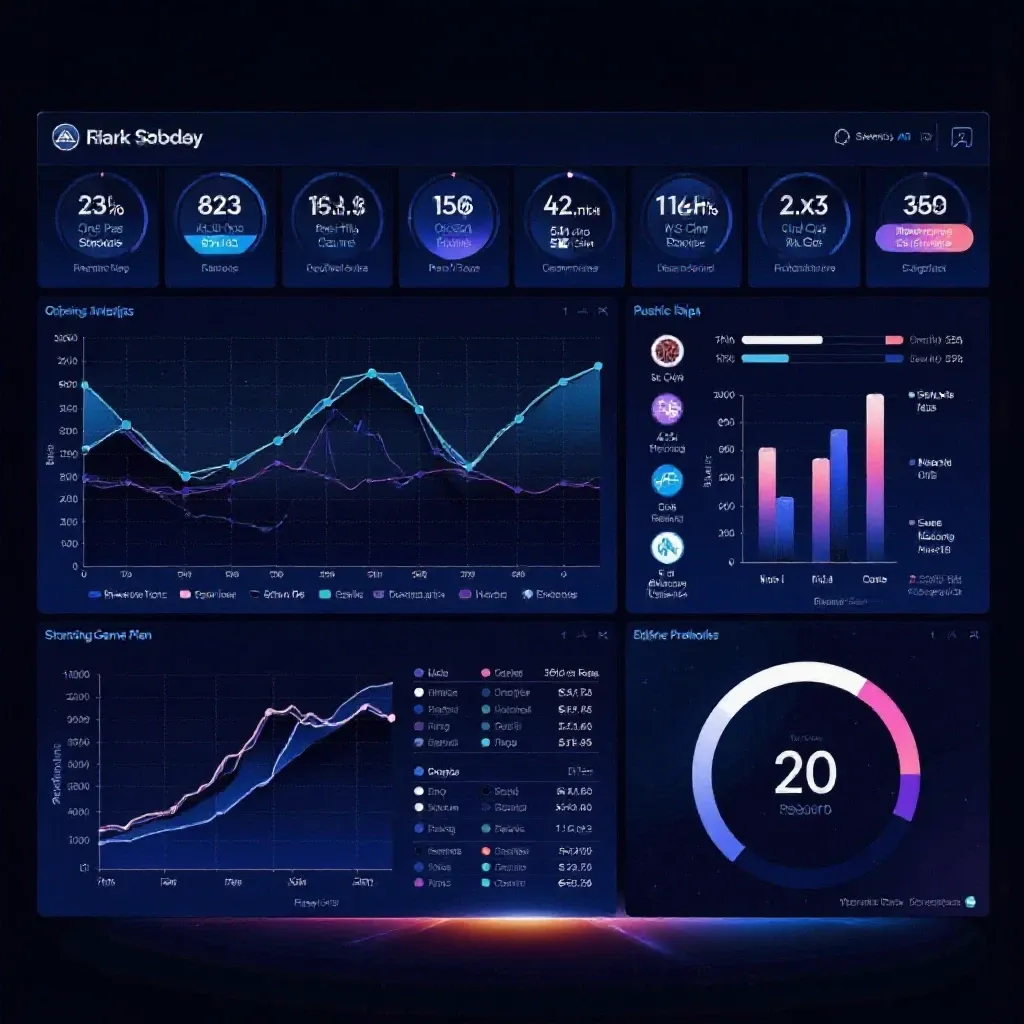
Betting Smarter: Advanced Strategies and Techniques
Upping your betting game isn’t just about luck; it’s about leveraging data and employing smart strategies to potentially tilt the odds in your favor. Forget hunches, embrace the world of odds analysis, value betting, and even arbitrage – all tools that can transform your approach from casual to calculated. It’s about recognizing that sports betting, at its core, involves probabilities and informed decisions.
The beauty of diving into advanced strategies is discovering edges others might miss. Value betting, for instance, hinges on identifying discrepancies between your predicted probability of an outcome and the implied probability reflected in the bookmaker’s odds. Successfully spotting these “value bets” can translate to long-term profitability.
Arbitrage betting, although requiring quick reflexes and access to multiple betting platforms, presents opportunities to profit from differing odds on the same event across various bookmakers. While it offers lower returns per bet, the risk is also significantly reduced since you’re essentially covering all possible outcomes.
However, remember that no strategy guarantees wins; sports are unpredictable. These advanced strategies are tools to manage risk and potentially increase your chances of success, not foolproof systems. The key is continuous learning, adapting to new information, and consistently refining your approach.
Understanding Odds and Probabilities
Odds are simply a numerical representation of the probability of an event occurring. Whether displayed in fractional, decimal, or American formats, they ultimately reflect the bookmaker’s assessment of that event’s likelihood. Understanding how to convert odds into implied probabilities, and vice versa, is fundamental. For example, I once overlooked what I thought was ‘easy money’ only to realise that the probability of an outsider winning was very low, regardless of higher odds. It’s a small adjustment to make to achieve better results.
Building a Betting Strategy Based on Key Metrics
Transforming raw sports data into actionable insights is where metrics become invaluable. Consider building a strategy around key performance indicators (KPIs) relevant to your chosen sport. For example, in soccer, metrics like shots on target, possession percentage in key areas, and successful tackle rate can paint a much clearer picture than just the final score. Using those metrics can improve your betting tactic, as the bet won’t be based on the face value of common knowledge. By backtesting your betting results using historical data, refine your tactic, and improve your odds.
Avoiding Common Pitfalls
Bias
One of the biggest downfalls in sports analytics and betting is succumbing to bias. It’s easy to let your personal feelings about a team or player cloud your judgment, leading to poor decisions. This emotional bias can manifest in many ways, such as overvaluing a team you support or underrating a rival. It also includes logical misconceptions, like assuming a player will always perform at their peak or that past results are a guaranteed predictor of future outcomes. To protect yourself, always strive for objectivity, relying on data and statistical analysis rather than gut feelings. Recognizing these biases is the first step toward mitigating their impact and making more informed, rational choices.
Risk Management
Effective risk management is crucial to avoid the common pitfalls in sports analytics and betting. Without a solid strategy, even the most sophisticated analysis can lead to losses. Setting clear betting limits and sticking to them, no matter the perceived “sure thing,” is vital. Diversifying your bets and avoiding putting all your eggs in one basket can significantly reduce potential setbacks. It’s also very important to understand the different types of bets like moneyline, spreads, and futures before placing them. By protecting your bankroll and practicing disciplined betting, you can protect yourself from financial issues and create a more sustainable and enjoyable sports analytics experience. Remember, it’s a marathon, not a sprint, and consistent risk management is the key to lasting success.
Conclusion
In conclusion, embracing a data-driven approach is crucial for anyone looking to elevate their sports betting game. This isn’t about replacing intuition entirely, but rather augmenting it with the power of analytics. From understanding key performance indicators and leveraging predictive models to mastering bankroll management, the techniques discussed here represent a pathway to more informed and strategic betting.
The world of sports analytics is constantly evolving, presenting continuous opportunities for learning and improvement. By adopting the principles outlined in this article, you’ll be well-equipped to navigate the complexities of sports betting and make decisions grounded in solid data. The journey to betting success starts with a single step – take that step today by implementing these strategies and tracking your progress.
Ready to transform your betting strategy? Subscribe to our newsletter for more expert insights, exclusive tips, and advanced analytics techniques that will give you the edge you need. Share this article if you found it useful. Start your winning journey now!